About Cardano (ADA)
Cardano is a blockchain platform founded in 2017 by Charles Hoskinson, a co-founder of Ethereum, adopting an approach unique to several other cryptocurrency projects. Every protocol change is designed through peer-reviewed academic research and formal verification methods before it reaches the live network. This deliberate, research-first approach is slower than the move-fast culture of some competing platforms, but it prioritises technological progress and long-term sustainability.
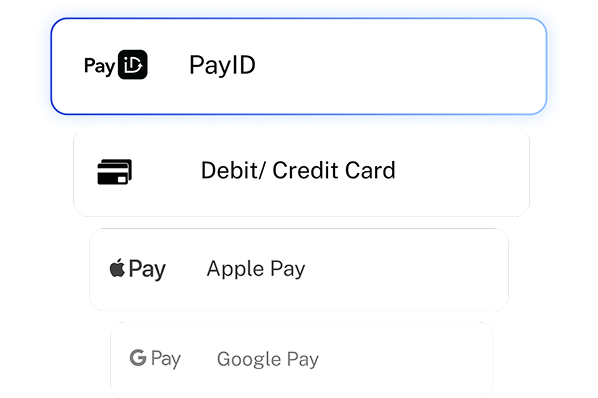
The native token, ADA, is used to pay transaction fees and to participate in the Ouroboros Proof of Stake consensus mechanism. In Australia, individuals can purchase Cardano using AUD through PayID transfers on AUSTRAC-registered platforms like Swyftx. The current ADA/AUD exchange rate is displayed live on this page.
How Cardano's development works
Cardano's development follows a phased roadmap with named eras (Byron, Shelley, Goguen, Basho, Voltaire), each introducing specific capabilities. Smart contract functionality arrived with the Alonzo upgrade. Scaling improvements are being delivered through Hydra, a Layer 2 solution designed to increase throughput by opening parallel processing channels off the main chain.
This staged approach means Cardano's feature set has historically trailed competitors like Ethereum and Solana in deployment speed, but proponents have argued the research-backed process reduces the risk of critical bugs and protocol-level vulnerabilities.
What drives ADA's price?
Protocol milestones
Major upgrades, including Alonzo (smart contracts) and Hydra, have historically generated increased market attention. Each milestone expands what can be built on Cardano, which in turn influences demand for ADA.
Supply structure
Cardano has a fixed maximum supply of 45 billion ADA. New tokens enter circulation through staking rewards drawn from a finite reserve. This means the issuance rate diminishes over time as the reserve is depleted, creating a long-term disinflationary supply curve.
Market sentiment
As a globally traded asset, ADA is sensitive to macroeconomic indicators, comparative developments across competing smart contract platforms, and the pace of the project's own roadmap execution.
How to store Cardano
After purchasing ADA, investors must decide on a storage method. Assets can remain on a custodial exchange or be withdrawn to a compatible wallet such as Daedalus (full node) or Yoroi (light wallet) for direct ownership and staking participation. For more information on self-custody options, refer to our crypto wallet guide.